Rep Login  

How To: Passivation for Stainless Steel Vessels

How To: Passivation for Stainless Steel Vessels How To: Passivation for Stainless Steel Vessels How To: Passivation for Stainless Steel Vessels How To: Passivation for Stainless Steel Vessels


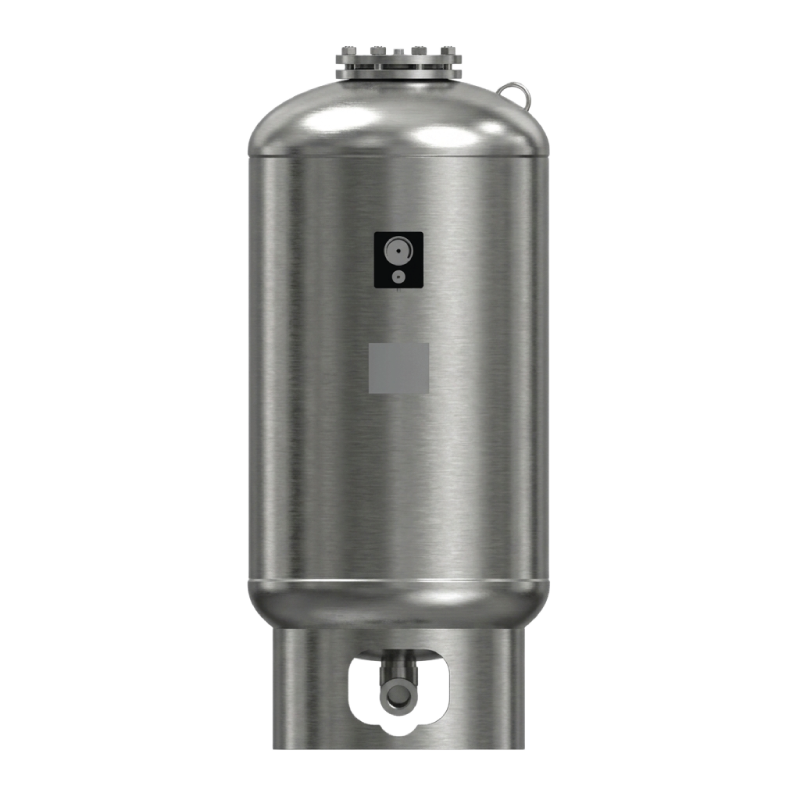
Rapid data center expansion and modern HVAC demands have led more engineers and specifiers to choose stainless steel vessels for their systems. But what exactly is passivation, and what makes a passivated stainless steel vessel desirable over traditional carbon steel?

What is Passivation?

Passivation is a multi-step chemical finishing process performed after components are manufactured, welded, and assembled. Its primary goal is to maximize the steel’s natural corrosion resistance.

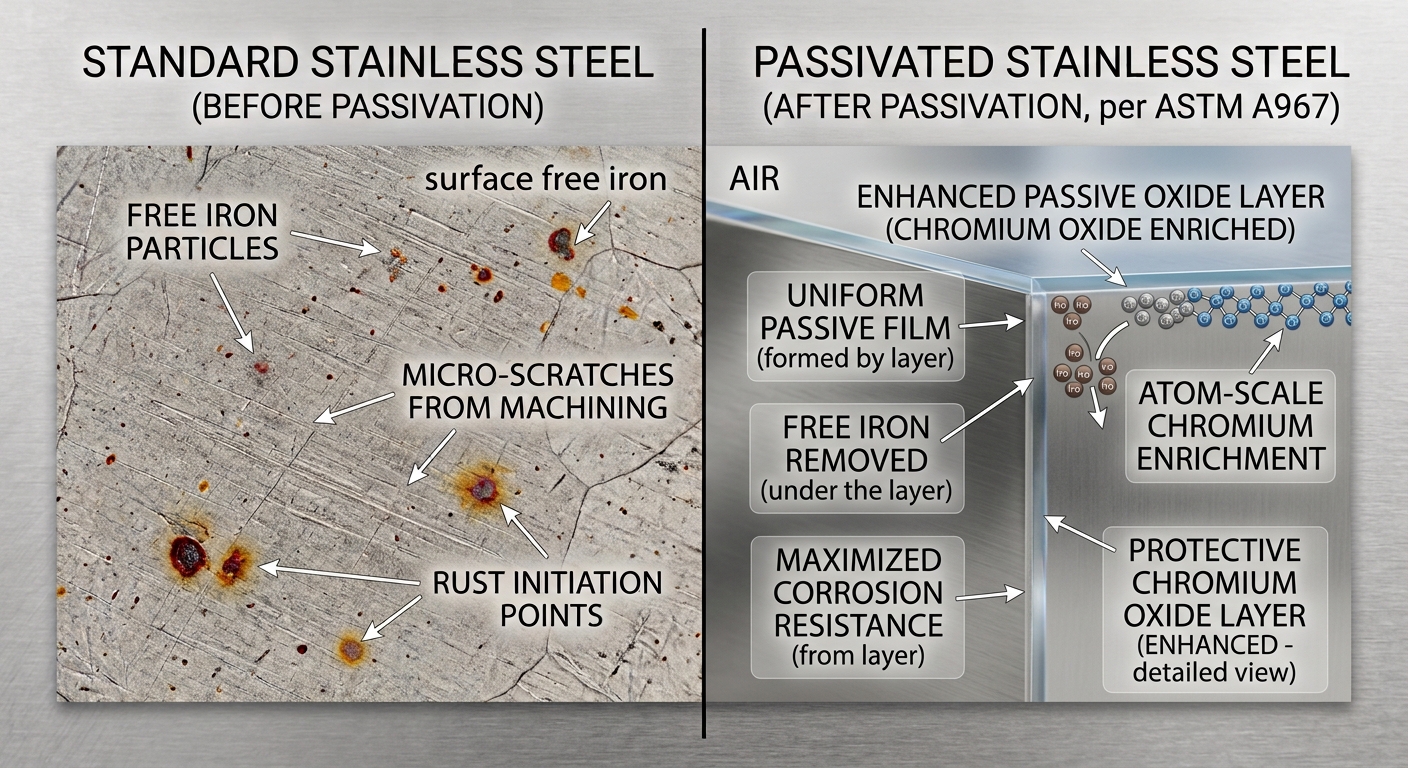
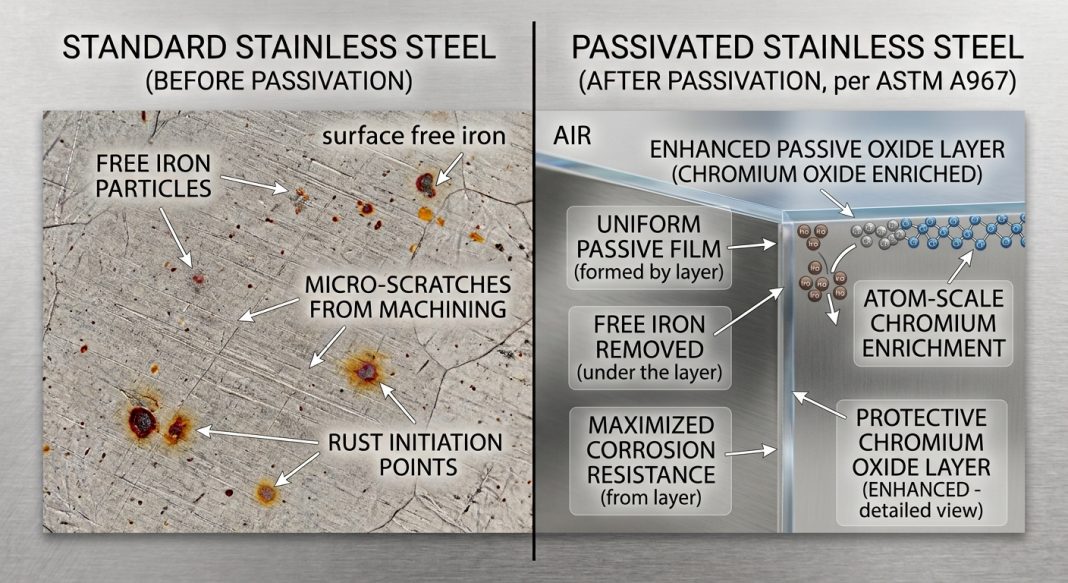
There is a common misconception that passivation physically fills surface flaws or mechanically alters the strength of the metal. In reality, it works chemically: during fabrication processes like cutting, machining, and welding, microscopic traces of free iron (tramp metal) from tooling get embedded into the steel’s surface. If left untreated, these iron particles react with air and moisture, triggering localized rust, pitting, and long-term surface deterioration.

Passivation removes these iron contaminants, allowing the stainless steel to protect itself as intended.
How Passivation Works: Building the Oxide Layer

Stainless steel owes its corrosion resistance to chromium ( of the alloy). When an acid bath selectively dissolves surface iron, it exposes an enriched concentration of chromium underneath.

Once rinsed and exposed to ambient air, this chromium rapidly reacts with oxygen to form an imperceptibly thin, continuous, and self-healing chromium oxide passive layer. This layer acts as a permanent barrier between the raw steel and the surrounding environment, keeping moisture and corrosive agents out.

Choosing the Acid Chemistry: Nitric vs. Citric

Passivation typically relies on one of two acid types:

The 4-Step Passivation Process

Achieving a true passive finish requires a tightly controlled sequence:

  1. Pre-Cleaning & Degreasing: Oils, machining coolants, and shop dirt are washed away. Acid cannot dissolve free iron if organic residues block direct contact with the metal.
  2. Acid Bath Immersion: The vessel is submerged in a controlled nitric or citric acid bath to dissolve free iron and surface contaminants.
  3. High-Purity Rinsing: The part is thoroughly rinsed with clean water to flush away acid residue and prevent chemical staining.
  4. Air Drying & Passive Layer Formation: As the vessel air-dries, exposed surface chromium reacts with ambient oxygen to form the protective chromium oxide film.

Why Passivation Is Exclusive to Stainless Steel

Passivation can only be performed on stainless steel and compatible high-chromium alloys. Carbon steel lacks the chromium required to build a protective oxide layer. If you submerge carbon steel into a passivating acid bath, the acid will aggressively etch and eat through the raw iron, weakening the vessel rather than protecting it. Carbon steel must instead rely on internal coatings, linings, or chemical system inhibitors for corrosion protection.

Stainless Steel Solutions from Wessels Company
By removing surface contaminants and enabling full passive oxide film growth, passivation ensures stainless steel vessels stand up to the most strenuous and harsh operating conditions.

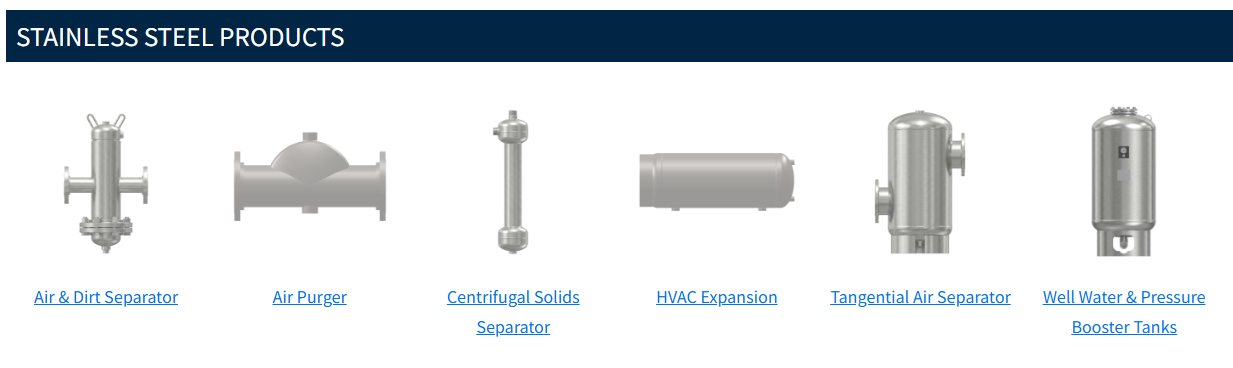
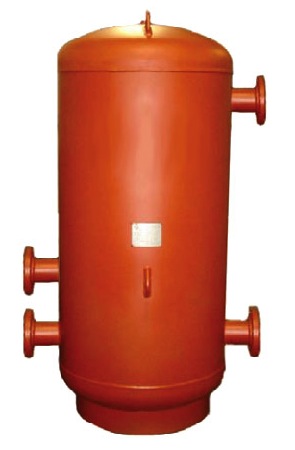
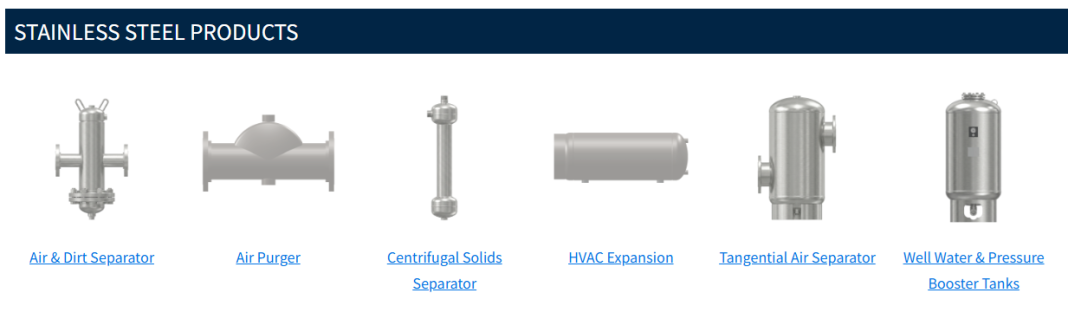
Wessels Company offers passivation options across our stainless-steel product lines, including expansion tanks, thermal energy storage vessels, and air-dirt separators. In addition, some sourcing partners offer ferrous-free facilities to prevent cross-contamination. For more information on custom stainless steel vessel options or to request a quote, visit westank.com or call our headquarters at 317-888-9800.

Full width regal divider
Employee Spotlight for September 2017

Employee Spotlight for September 2017

Jane Roddy is the Director of Purchasing and Custom Quotations with Wessels Company. Jane has happily been in her current position for five years and has been with the company for a total of 10 years. One of Jane’s favorite things is working here at Wessels and her favorite color is purple. When going out to eat, she loves Indian food.

Jane fast facts:

Likes:the color purple, working and Indian food

Dislikes: things that are not Wessels tanks and when people sit at green lights

Hobbies: working
Nickname: Jane, Roddy

Employee Spotlight for August 2017

Employee Spotlight for August 2017

One of the smiling faces on our team is of Leonard Bush. Leonard is one of our Custom Quotes and Inside Sales Representatives and has been with the company for nearly 8 years. His hobbies include working out, road biking, playing music and grilling. In his spare time, Leonard enjoys craft beer, traveling and sports. He is a fan of Ohio State Football and roots for the Cincinnati Bengals and the Cleveland Cavs. When he was in college Leonard actually played against Lebron James in the Ohio State Basketball Championship and his team won!

Leonard fast facts:

Likes: Wessels tanks, sleep and chocolate

Dislikes: things that are not Wessels tanks, being hot and hospitals.

Hobbies: grilling, playing pool and working out
Nicknames: L.B., Len, Lenny and Bush

Cooling Down Campus Costs with Wessels Company

Cooling Down Campus Costs with Wessels Company


CASE STUDY: Purdue University

COOLING DOWN CAMPUS COSTS

How Wessels heat exchangers cooled energy costs at a major American University

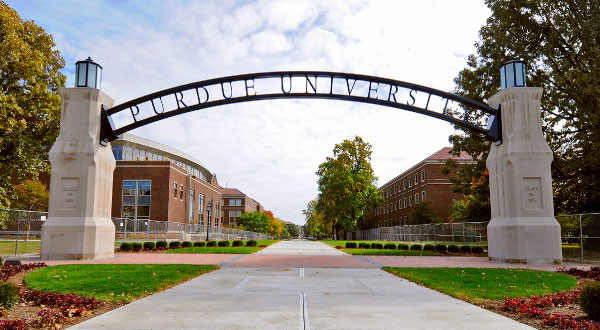
West Lafayette, IN – Headquartered near Indianapolis, the AHRI certified plate and frame heat exchanger manufacturer Wessels Company is very familiar with Purdue University. In fact, Wessels has employed many graduates from the famous engineering school over the years, including their current engineering manager. So, when Purdue University came to the company in need of large heat exchangers to improve its campus chiller plant performance, Wessels was ready to tackle the challenge head-on.

An American Institution

Purdue University is the institute of science, technology and agriculture in West Lafayette, Indiana, that houses nearly 30,000 students and is known for its highly esteemed engineering program. This penchant for engineering excellence is evident in the design of the campus, which has over 150 buildings and is self-sufficient in all its HVAC needs. Some of those HVAC needs are met with: 12 chillers, 4 steam boilers, 2 turbine generators, and a cooling, closed water circulation loop that distributes 45°F chilled water out to the campus.

However, faced with growing demand for year-round chilled water due to campus growth and an inefficient existing system, the University embarked on a five-year plan to improve the system. To meet the new demands and save money and energy with a more efficient system, Purdue turned to Wessels Company.

Engineering Efficiency

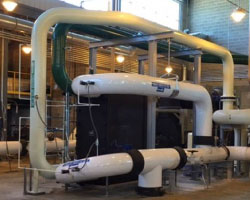
To meet the requirements of improved chiller efficiency, Purdue University installed two of Wessels Company’s enormous WP123 plate and frame heat exchangers. These heat exchangers were installed in the free cooling mode, which means when the outside temperature is low enough, chilled water demands can be satisfied using just the heat exchanger and a cooling tower. This allows the chiller station’s expensive compressors to be shut down, which in turn leads to tremendous energy savings.

“Because of the local climate, Purdue was an excellent candidate for heat exchanger-based free cooling.” – Gary Trumpfheller, Heat Transfer Business Unit Manager at Wessels Company

Purdue was an excellent candidate for this kind of free cooling because of the year-round demand for chilled water and the local climate. Free cooling heat exchangers, also known as economizers, are now required to meet ASHRAE STANDARD 90.1 2010 Energy Standard for Buildings I-P Edition. This standard outlines areas of the country where chillers used for comfort cooling or data centers must have economizers included. It also specifies that heat exchangers must be AHRI Certified to Standard 400 for liquid to liquid heat exchangers.

Energy Savings Mean Cost Savings

The estimated annual savings for the Purdue project, and other projects of its size, are approximately $500,000. Wessels Company prides itself on being able is to provide sustainable energy saving solutions that save money and help make a greener HVAC world. In addition to plate and frame, shell and tube, and brazed plate heat exchangers, Wessels has over 100 years of manufacturing experience providing expansion tanks, filtration vessels, media pots, glycol packages, separators, and more.

For more information, visit wesselscompany.com

Reference Catalog 2016

Reference Catalog 2016

The 2016 Wessels Company Reference Catalog is here!

The Wessels product offering has increased dramatically in the last few years and we are proud to introduce several additions to our updated Reference Catalog.

The reference catalog is also more than just products. The catalog features quick sizing and selection charts that make the job of quoting product fast and accurate. Dimensions and weights are shown to obtain quick shipping rates from your preferred transport company.

Wessels is known for its competitive pricing and we look forward to continuing to offer the best prices in the industry. For accurate quotes and pricing, please contact a Wessels Company representative in your area.

Buffer Tank Revit BIM Added

Buffer Tank Revit BIM Added

BIM-slide

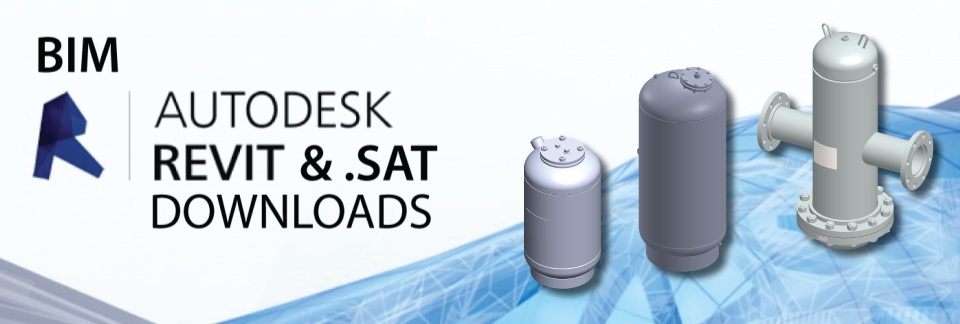
Wessels Company has added Hot Water Buffer Tank and Chilled Water Buffer Tank Revit (.rfa) and AutoCAD (.SAT) 3D models free to download from our BIM webpage.

Check it out now: https://www.westank.com/bim/

What is BIM? | Building Information Modeling

Browse and download from our available catalog of 3D building information models (BIM) in the industry standard Revit or .SAT file formats. You can also find BIM on certain product pages. Just keep an eye out for the download button.

Buffer Tank Calculator

Buffer Tank Calculator

Check it out! We’ve added Buffer Tank calculation to our expansion tank sizing calculator. Now it’s as simple as opening a web browser or the Wessels Company phone apps, typing in your requirements, and hitting enter. Size a custom Buffer Tank, generate a submittal, and send a quote request in just seconds!

Size Your Tank

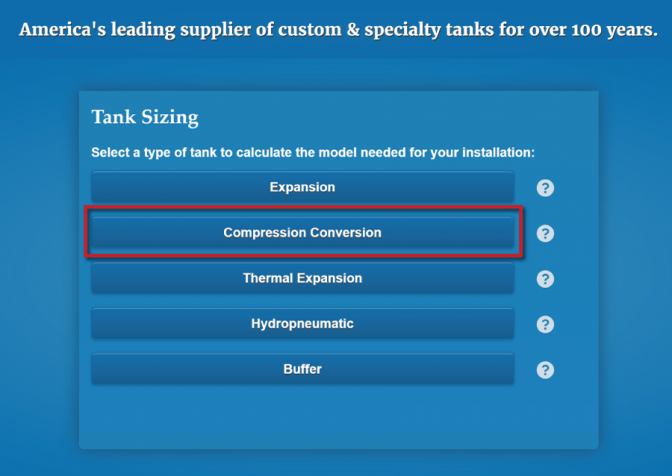
We’ve also made it easy to convert compression tanks into bladder expansion tanks. Just click “Compression Conversion,” enter your tank’s volume and minimum pre-charge pressure, and let the calculator do the rest!

convert

Have questions? Email us at [email protected]

Submittal PDF Update

Submittal PDF Update

new-submittalWorking with Wessels Company’s PDF submittals just got a whole lot easier!

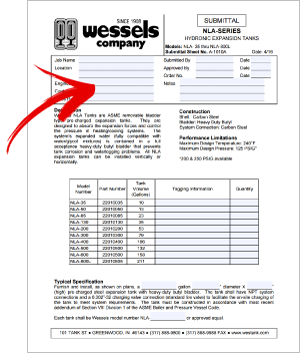
We’ve updated our submittals to be fillable and savable (Adobe Acrobat Required). Now you can click a field, add your text, and save your submittal right to your computer without having to print.

Wessels Company’s submittals are now fully editable, savable, searchable, and bookmarkable for your convenience.

Try it out now with this bladder expansion tank submittal or by clicking the image on the right.